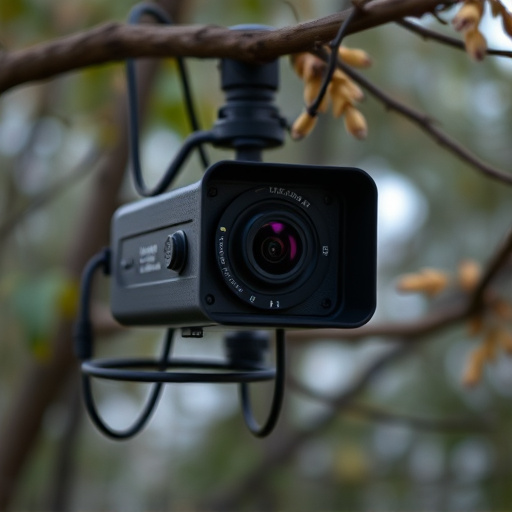
Mini spy cameras, advanced with infrared LED lights, capture high-resolution footage in darkness, making them versatile for security and surveillance. Detecting these requires specialized tools like RF detectors, signal amplifiers, and protective gear for safe operation. Systematic scanning, using narrowband functions, documentation, and legal countermeasures are essential steps. Analyzing scan data for anomalies reveals hidden cameras, necessitating swift action including removal, reinforced security, and ongoing RF monitoring to prevent future usage. Understanding wireless capabilities aids in neutralizing and preventing their use.
Uncover hidden threats with our comprehensive guide to detecting mini spy cameras using RF detector sweeps. These tiny, often undetectable devices pose significant risks in today’s digital age, especially during nighttime recordings. Learn how to prepare, from gathering essential tools and taking safety precautions to following a step-by-step process for successful detection. Discover post-sweep analysis techniques to uncover and mitigate the presence of spy cameras, ensuring your environment remains secure.
- Understanding Mini Spy Cameras and Nighttime Recording Capabilities
- Preparing for the RF Detector Sweep: Essential Tools and Safety Precautions
- Step-by-Step Guide to Detecting Hidden Mini Spy Cameras
- Post-Sweep Analysis: Uncovering and Securing Against Spy Cameras
Understanding Mini Spy Cameras and Nighttime Recording Capabilities
Mini spy cameras, also known as hidden cameras, have evolved significantly in recent years, especially in their nighttime recording capabilities. These compact devices are designed to be nearly invisible, making them ideal for surveillance and monitoring purposes. They often come equipped with infrared (IR) LED lights that allow for clear images even in complete darkness, ensuring round-the-clock observation.
The advanced IR technology used in mini spy cameras enables them to capture high-resolution footage during nighttime hours without the need for additional lighting. This feature makes them versatile tools for various applications, from home security and pet monitoring to professional surveillance. Their small size and discreet design make them easy to install and operate, making them a popular choice for those seeking covert recording solutions.
Preparing for the RF Detector Sweep: Essential Tools and Safety Precautions
Preparing for an RF (Radio Frequency) detector sweep involves gathering specific tools and adhering to safety precautions, especially when targeting mini spy cameras designed for nighttime recording. Start by acquiring a high-quality RF detector capable of pinpointing signals within the relevant frequency bands these devices operate on. Ensure your detector is well-calibrated for accurate readings. Next, stock up on essential accessories like antennas, signal amplifiers, and shielding materials to enhance detection capabilities and minimize interference from other electronic devices.
Safety is paramount; wear protective gear such as static-dispersing wrist bands to prevent damage to the sensitive equipment or potential data corruption. Work in a controlled environment, away from powerful sources of electromagnetic radiation like microwaves or cellular towers. Regularly ground yourself and your equipment to discharge accumulated static electricity, which can interfere with signals and cause hardware damage. Proper preparation ensures an effective sweep, maximizing the chances of detecting even the most discrete mini spy cameras during nighttime recordings.
Step-by-Step Guide to Detecting Hidden Mini Spy Cameras
Detecting hidden mini spy cameras requires a systematic approach and the right tools, especially for their tiny size and advanced capabilities in nighttime recording. Here’s a step-by-step guide to help you through this process:
1. Equip Yourself: Begin by acquiring a high-quality RF (Radio Frequency) detector designed to pick up signals from mini spy cameras. These devices can detect hidden cameras transmitting video feeds via radio waves. Also, get a signal booster if the area is large or signals are weak.
2. Scan the Area: Start scanning in strategic locations, focusing on areas where a hidden camera might be placed—windows, doors, furniture, and corners. Move slowly and methodically to ensure thorough coverage. The RF detector will alert you when it detects a signal, indicating a possible mini spy camera is nearby.
3. Zero in on the Signal: Once you detect a signal, use the detector’s narrowband search function to pinpoint its origin. This helps you identify the exact location of the hidden camera. If available, engage the signal booster for stronger and more precise results.
4. Document Findings: Take note of every detected signal and their locations. Use photographs or video footage to document your findings as evidence. Some advanced RF detectors come with recording capabilities that can capture the signals directly for later analysis.
5. Targeted Disabling (if necessary): If the goal is not just detection but also disabling the camera, use appropriate countermeasures like signal jammers designed specifically for mini spy cameras. Ensure these devices are legal in your jurisdiction and follow all safety guidelines during their operation.
Post-Sweep Analysis: Uncovering and Securing Against Spy Cameras
After completing a RF detector sweep, analyzing the results is crucial for uncovering any hidden Mini Spy Cameras that may have been deployed. This post-sweep analysis involves carefully reviewing the data collected during the scan to identify unusual signals or anomalies that could indicate the presence of covert surveillance devices. By utilizing advanced signal processing techniques, experts can isolate and identify specific frequencies associated with nighttime recording devices, enhancing the chances of detection.
Once a hidden camera is detected, taking prompt action is essential to secure your space. This may include physically removing the device, reinforcing security measures in vulnerable areas, and implementing regular RF monitoring to prevent future intrusions. It’s important to consider the type of spy camera found—whether it uses wireless signals for data transmission or power—as this will influence the best course of action for neutralizing and securing against similar threats in the future.
Detecting hidden mini spy cameras using an RF detector sweep is a powerful tool for ensuring privacy and security in today’s digital era. By understanding the capabilities of these tiny devices, preparing with essential tools and safety precautions, and following a meticulous step-by-step guide, individuals can effectively uncover and mitigate potential threats from nighttime recording devices. Post-sweep analysis plays a crucial role in staying ahead of evolving surveillance technology, fostering a safer environment for all.