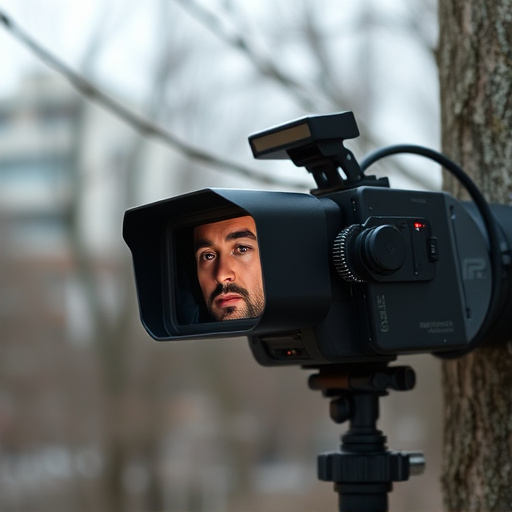
Mini spy cameras with advanced nighttime recording features, disguised as everyday items, offer discreet surveillance capabilities. Equipped with infrared LED lights, these compact devices capture clear footage in low-light and darkness. Their strategic use of light mimics natural conditions, making them nearly invisible to casual observers. Testing methods include specialized lighting equipment and thermal imaging technology. Innovative techniques like infrared/UV lights and image processing algorithms further enhance detection and defense against covert surveillance during nighttime recordings.
Unveiling hidden surveillance can be a challenging task, especially with the proliferation of miniature spy cameras. This article delves into the art of identifying these covert devices, focusing on nighttime recording techniques as mini spy cameras often operate under the cover of darkness. We explore the science behind using lights to disguise camera presence and present practical testing methods for professionals. Furthermore, advanced strategies are discussed to detect these elusive devices, ensuring peace of mind in today’s digital era.
- Understanding Mini Spy Cameras and Nighttime Recording Techniques
- The Role of Light in Disguising Camera Presence
- Practical Testing Methods for Identifying Hidden Cameras
- Advanced Strategies to Detect Mini Spy Cameras at Night
Understanding Mini Spy Cameras and Nighttime Recording Techniques
Mini spy cameras, also known as hidden or covert cameras, are compact devices designed to capture video and images discreetly. These tiny cameras often resemble everyday objects like keys, pens, or even light bulbs, making them ideal for surveillance purposes. They can be easily placed in various environments, from homes and offices to public spaces, allowing users to record videos without being noticed.
Nighttime recording is a critical aspect of mini spy camera functionality. These devices are equipped with infrared (IR) LED lights that enable clear imaging in low-light conditions. The IR technology ensures that the camera can capture footage even during complete darkness, making it an effective tool for round-the-clock monitoring. By utilizing these advanced nighttime recording techniques, users can gather valuable evidence or simply keep a discreet watch over sensitive areas.
The Role of Light in Disguising Camera Presence
The role of light in disguising camera presence is a critical aspect of minimizing the detection of mini spy cameras, especially during nighttime recordings. By manipulating light patterns and intensities, it becomes possible to mask the presence of recording devices. This technique leverages the human eye’s sensitivity to contrast and motion, where subtle variations in illumination can make it challenging for individuals to discern the camera’s location.
In practice, this involves strategically placing lights around the area of interest, ensuring they mimic natural light sources or common ambient lighting conditions. By synchronizing these lights with the camera’s operation, any telltale signs of a recording device’s active state can be concealed. This method is particularly effective in outdoor settings during the night, where the reduction of artificial light can make it nearly impossible for passersby to detect hidden cameras without specialized equipment.
Practical Testing Methods for Identifying Hidden Cameras
When it comes to identifying hidden cameras, especially miniature spy cams designed for nighttime recording, practical testing methods are key. One effective approach is to utilize specialized lighting equipment that can detect infrared or UV emissions often associated with these covert devices. By simulating conditions akin to night vision, professionals can scan areas of concern with high-intensity lights, allowing any concealed cameras to become visible through their heat signature or reflection of light.
Another method involves utilizing thermal imaging technology, which detects variations in temperature. Hidden cameras, particularly those with infrared capabilities, leave distinct thermal signatures. Thermal imaging cameras can pinpoint these anomalies, revealing the presence of miniature spy cams even when they’re turned off or not actively recording. This non-invasive testing is crucial for maintaining privacy while ensuring security in scenarios where surveillance equipment might be present.
Advanced Strategies to Detect Mini Spy Cameras at Night
In the quest to identify miniature spy cameras, especially during nighttime recordings, advanced strategies have emerged as game-changers. One such method involves utilizing specialized lighting techniques. By employing infrared or UV lights, which are often invisible to the naked eye, security professionals can uncover hidden cameras. These lights emit wavelengths that expose the camera’s presence, as they are designed to be detected by the sensitive sensors found in these covert devices.
Additionally, advanced image processing algorithms play a pivotal role. Nighttime footage is analyzed for subtle anomalies, such as irregular lighting patterns or pixels that deviate from the surroundings. This technology can distinguish between natural light and artificial illumination produced by spy cameras, making it an effective tool to pinpoint their locations. These strategies ensure that even the tiniest spy cameras are no longer hidden, providing a robust defense against surveillance threats during nighttime recordings.
In conclusion, understanding the sophisticated techniques behind mini spy cameras and their nighttime recording capabilities is paramount. By examining the role of light in disguising camera presence and employing advanced detection strategies, we can stay ahead of this evolving technology. The practical testing methods outlined in this article serve as a valuable guide for identifying hidden cameras, ensuring safety and privacy in today’s digital era.